

Smart Sensors: The Tiny Devices Making a Big Impact
 By Prince Matthews
4 min read
16 Aug 2025
Smart sensors represent a critical component of the Internet of Things (IoT), enabling the collection of real-time data for various applications. This article explores the functionality, applications, and transformative impact of smart sensors across industries and everyday life.
Understanding Smart Sensors
Functionality: Detecting and measuring physical properties such as temperature, pressure, motion, light, and chemical composition.
Integration: Connecting to IoT platforms and networks to transmit data for analysis, monitoring, and decision-making processes.
Advancements: Incorporating miniaturization, wireless connectivity, energy efficiency, and artificial intelligence to enhance capabilities and performance.
Applications Across Industries
Healthcare: Monitoring patient vital signs, tracking medication adherence, and enabling remote health monitoring for chronic disease management.
Automotive: Enhancing vehicle safety with collision detection, tire pressure monitoring, and driver assistance systems.
Smart Homes: Automating lighting, HVAC systems, security cameras, and appliances for energy efficiency and convenience.
Industrial IoT (IIoT): Optimizing manufacturing processes with predictive maintenance, asset tracking, and quality control.
Transformative Impact
Data-Driven Insights: Providing actionable insights for businesses, governments, and individuals to improve operational efficiency, safety, and resource management.
Environmental Monitoring: Monitoring air and water quality, weather conditions, and pollution levels to support environmental conservation efforts.
Precision Agriculture: Optimizing crop yield, water usage, and soil health through real-time monitoring of environmental conditions and crop growth.
Smart Cities: Improving urban planning, traffic management, public safety, and infrastructure maintenance with data from interconnected sensors.
Challenges and Considerations
Data Security: Ensuring secure data transmission and storage to protect sensitive information from cyber threats and unauthorized access.
Interoperability: Overcoming compatibility issues between different sensor types, IoT platforms, and legacy systems.
Scalability: Addressing scalability challenges to support the deployment of large-scale sensor networks in diverse environments and applications.
Future Outlook
As smart sensors continue to evolve with advancements in technology and deployment, their integration into everyday life and industrial processes will deepen. With ongoing innovation and adoption, smart sensors are set to play a pivotal role in driving the next wave of digital transformation and innovation across industries.

The AR Breakthrough That Will Make Blockchain Transactions Simpler Than Ever!
6 min read | 11 Oct 2025
How AI Is Making Blockchain Smarter and Safer – The Inside Scoop!
7 min read | 10 Oct 2025
The Big Tech Twist: How VR Is Set to Disrupt Blockchain Like Never Before!
5 min read | 09 Oct 2025
Unlocking the Power of AR: How Augmented Reality Is Set to Revolutionize Blockchain!
5 min read | 08 Oct 2025More Articles

Blockchain for Social Good: How Technology is Addressing Global Challenges
6 min read | 12 Oct 2025

The Challenges of Scaling Blockchain Technology: Solutions and Innovations
7 min read | 11 Oct 2025

Exploring the Intersection of Blockchain and Artificial Intelligence
6 min read | 10 Oct 2025
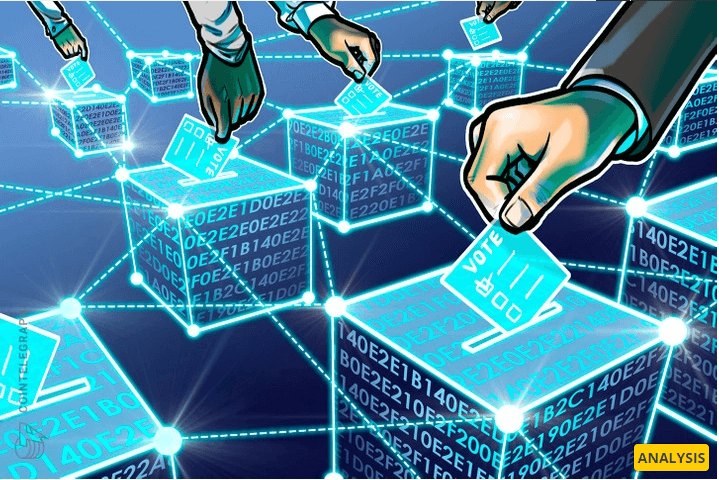
How Blockchain is Shaping the Future of Voting Systems and Electoral Integrity
6 min read | 09 Oct 2025
More Articles

Initial Coin Offerings (ICOs): Fundraising in the Age of Cryptocurrency
2 min read | 10 Aug 2025

Double Spending: The Challenge and Solution in Blockchain Technology
5 min read | 09 Aug 2025

Hash Functions in Blockchain: Ensuring Data Integrity and Security
3 min read | 08 Aug 2025

The Role of Block Rewards in Sustaining Blockchain Networks
5 min read | 07 Aug 2025