
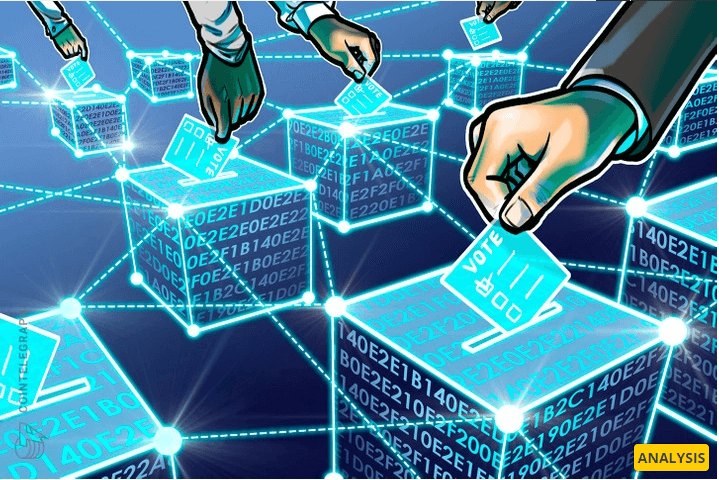
How Blockchain is Shaping the Future of Voting Systems and Electoral Integrity
 By Lewis Adam
6 min read
09 Oct 2025
Blockchain technology is set to revolutionize voting systems and strengthen electoral integrity. By leveraging its decentralized, transparent, and immutable nature, blockchain offers solutions to many traditional challenges in voting, including security, transparency, and accessibility.
One of the most significant advantages of blockchain for voting is enhanced security. Traditional voting systems, whether paper-based or electronic, are prone to various forms of tampering and fraud. Blockchain provides a secure, decentralized ledger where each vote is recorded and encrypted. The immutability of blockchain ensures that once a vote is cast, it cannot be altered or deleted without altering subsequent records, making it highly resistant to tampering and fraud.
Transparency is another critical benefit of blockchain in voting. Each vote is recorded on a public ledger that can be viewed by authorized parties. This transparency ensures that the voting process is open and verifiable, reducing the likelihood of disputes and enhancing public trust in the electoral system. Additionally, blockchain can facilitate real-time auditing of votes, allowing for immediate verification and reconciliation of results.
Blockchain also addresses issues of accessibility and inclusivity in voting. Traditional voting systems can be challenging for individuals with disabilities or those living in remote areas. Blockchain-based voting platforms can offer online voting options, enabling more people to participate in elections without physical barriers. Smart contracts on the blockchain can automate aspects of the voting process, such as voter registration and ballot submission, making the system more efficient and user-friendly.
Despite its potential, implementing blockchain in voting systems faces several challenges. Technical and logistical hurdles include ensuring the scalability and reliability of blockchain platforms to handle large volumes of votes. Additionally, there are concerns about privacy and the digital divide, as not all voters may have access to the necessary technology or understand how to use it effectively. Addressing these challenges requires collaboration between technologists, policymakers, and electoral authorities to develop secure and inclusive solutions.
In conclusion, blockchain technology offers promising advancements for voting systems and electoral integrity. By enhancing security, transparency, and accessibility, blockchain has the potential to transform how elections are conducted and restore trust in the democratic process. As the technology continues to evolve, it is crucial to address the associated challenges and work towards implementing blockchain solutions that uphold the principles of fair and transparent elections.

The AR Breakthrough That Will Make Blockchain Transactions Simpler Than Ever!
6 min read | 11 Oct 2025
How AI Is Making Blockchain Smarter and Safer – The Inside Scoop!
7 min read | 10 Oct 2025
The Big Tech Twist: How VR Is Set to Disrupt Blockchain Like Never Before!
5 min read | 09 Oct 2025
Unlocking the Power of AR: How Augmented Reality Is Set to Revolutionize Blockchain!
5 min read | 08 Oct 2025More Articles

AI in Climate Change: Can Machine Learning Help Save the Planet?
6 min read | 05 Oct 2025

AI in Education: How Machine Learning is Shaping Personalized Learning
5 min read | 13 Oct 2025

How AI is Enhancing Human-AI Collaboration in the Workplace
6 min read | 12 Oct 2025

The Role of AI in Predictive Analytics: Unlocking Future Insights
7 min read | 11 Oct 2025
More Articles

Convolutional Neural Networks (CNN): The Secret Behind AI Vision
7 min read | 04 Aug 2025

Artificial Neural Networks: The Technology That's Changing Everything
4 min read | 03 Aug 2025

Cognitive Computing: The Next Big Thing in AI?
6 min read | 02 Aug 2025

Intelligent Automation: How Robots Are Taking Over Mundane Tasks
6 min read | 01 Aug 2025