
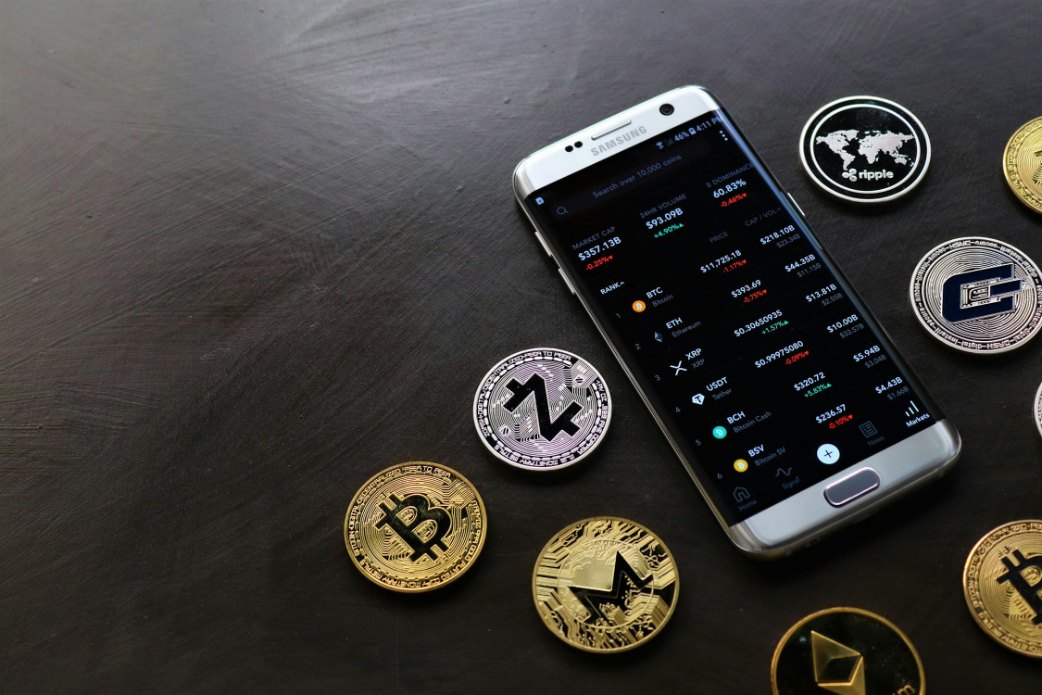
Exploring the Intersection of Blockchain and Artificial Intelligence
 By Sayan Gosh
5 min read
10 Oct 2025
The intersection of blockchain and artificial intelligence (AI) represents a groundbreaking fusion of technologies with the potential to revolutionize various industries. By combining the decentralized, immutable nature of blockchain with the intelligent, data-driven capabilities of AI, new opportunities and efficiencies emerge in areas ranging from data management to automation.
One of the key benefits of integrating blockchain with AI is enhanced data security and integrity. Blockchain’s decentralized ledger provides a secure and tamper-proof record of data, which can be crucial for training AI models. AI systems often rely on vast amounts of data to learn and make decisions. By storing and verifying this data on a blockchain, organizations can ensure that the data used for AI training is accurate, unaltered, and trustworthy. This integration helps mitigate risks associated with data tampering and enhances the reliability of AI-driven insights.
Blockchain can also improve the transparency and traceability of AI decision-making processes. AI models, particularly those using machine learning, can often be seen as “black boxes” where the rationale behind decisions is opaque. Blockchain can record and track the decision-making process of AI systems, providing an auditable trail of how decisions were made. This transparency is valuable for ensuring accountability, particularly in critical areas such as finance, healthcare, and autonomous systems.
In addition to security and transparency, the combination of blockchain and AI can streamline and automate processes. Smart contracts, which are self-executing contracts with the terms written into code, can be used to automate complex workflows. AI can enhance these smart contracts by enabling adaptive and intelligent responses based on data inputs. For example, an AI-powered smart contract could automatically adjust terms based on real-time data, improving efficiency and reducing the need for manual intervention.
The integration of blockchain and AI also offers new possibilities for decentralized AI applications. Traditional AI systems often rely on centralized servers and databases, raising concerns about data privacy and control. Blockchain enables the creation of decentralized AI networks where data and computational resources are distributed across multiple nodes. This decentralized approach can enhance privacy, reduce single points of failure, and promote collaborative AI development while maintaining control over sensitive data.
However, there are challenges to consider when integrating blockchain and AI. These include technical issues related to the scalability and performance of blockchain networks, as well as the complexity of combining two sophisticated technologies. Ensuring interoperability between different blockchain platforms and AI systems is also a critical consideration. Addressing these challenges requires ongoing research and collaboration between experts in both fields to develop practical and effective solutions.
In conclusion, the intersection of blockchain and artificial intelligence presents exciting opportunities for innovation and improvement across various domains. By leveraging blockchain’s security and transparency with AI’s intelligence and automation, organizations can enhance data integrity, decision-making processes, and operational efficiency. As these technologies continue to evolve, exploring their synergies will be crucial for unlocking new potentials and driving progress in the digital age.
The AR Breakthrough That Will Make Blockchain Transactions Simpler Than Ever!
5 min read | 11 Oct 2025
How AI Is Making Blockchain Smarter and Safer – The Inside Scoop!
7 min read | 10 Oct 2025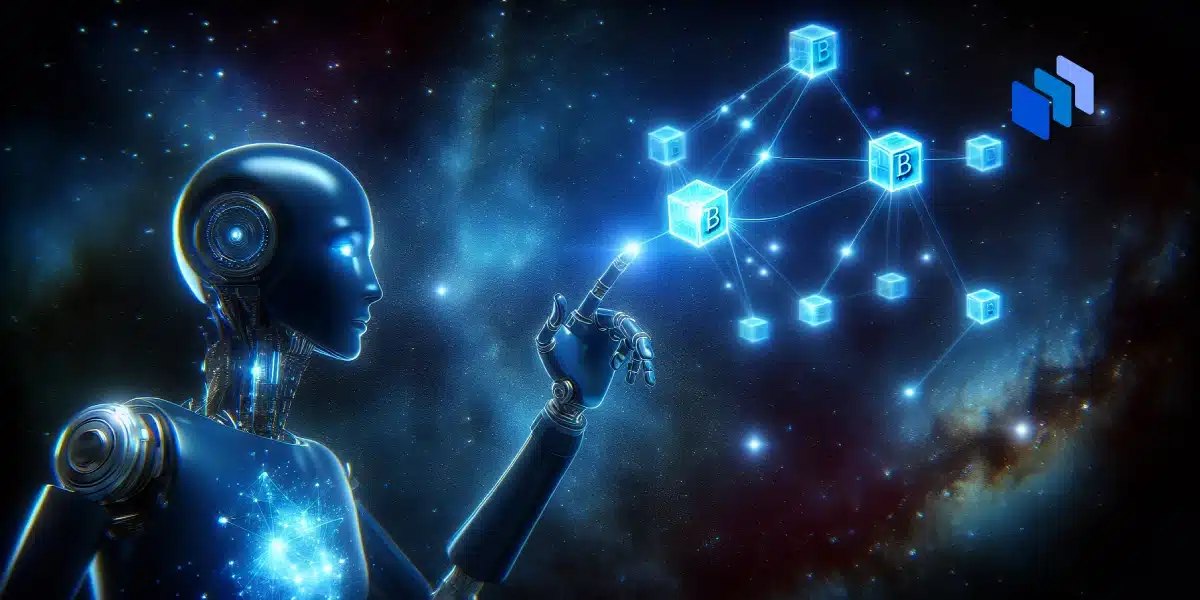
The Big Tech Twist: How VR Is Set to Disrupt Blockchain Like Never Before!
6 min read | 09 Oct 2025
Unlocking the Power of AR: How Augmented Reality Is Set to Revolutionize Blockchain!
7 min read | 08 Oct 2025More Articles

The Evolution of AR Glasses: What to Expect from the Next Generation
7 min read | 10 Oct 2025

How VR is Shaping the Future of Travel: Virtual Destinations and Experiences
7 min read | 09 Oct 2025
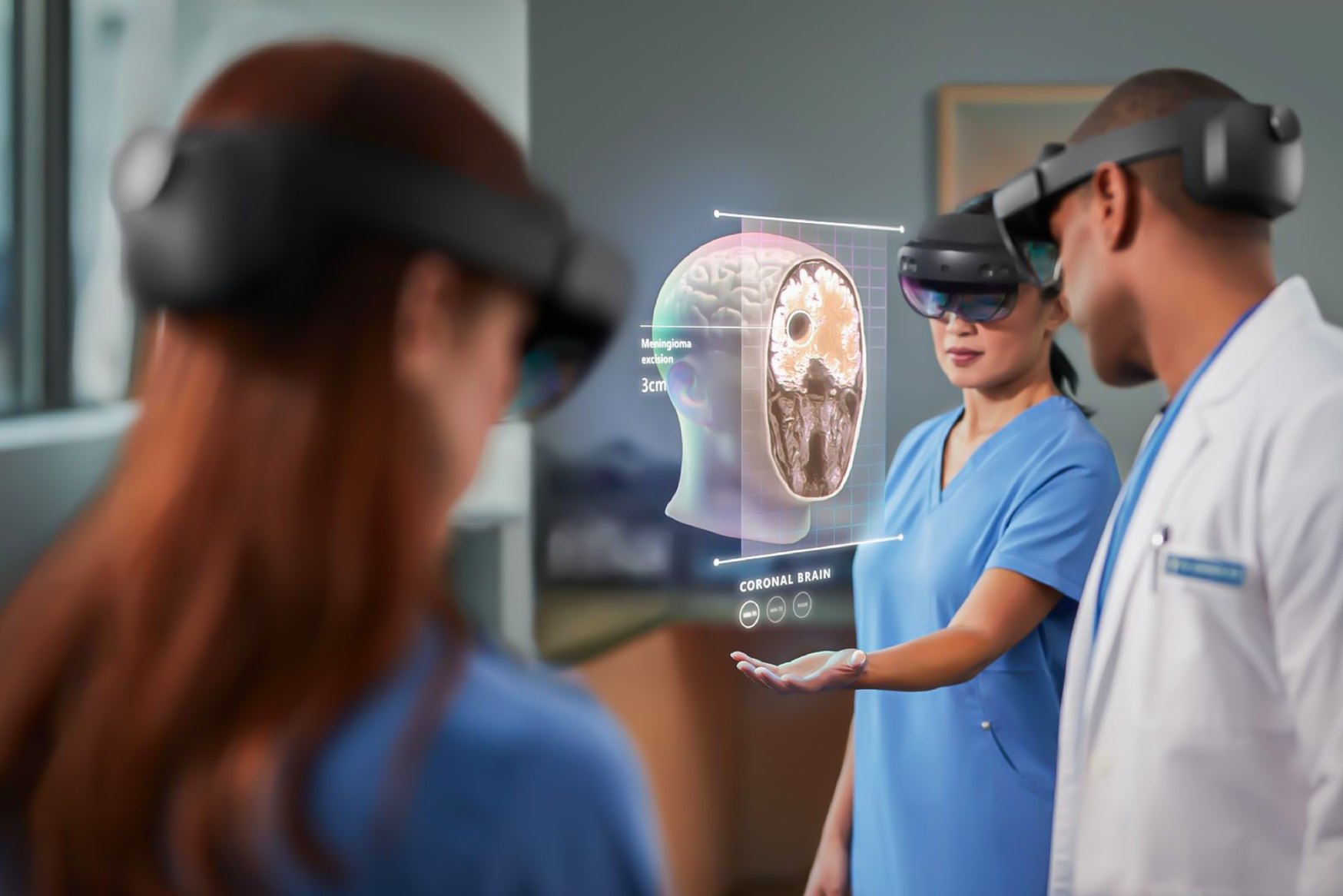
AR in Healthcare: From Surgical Navigation to Patient Education
7 min read | 08 Oct 2025
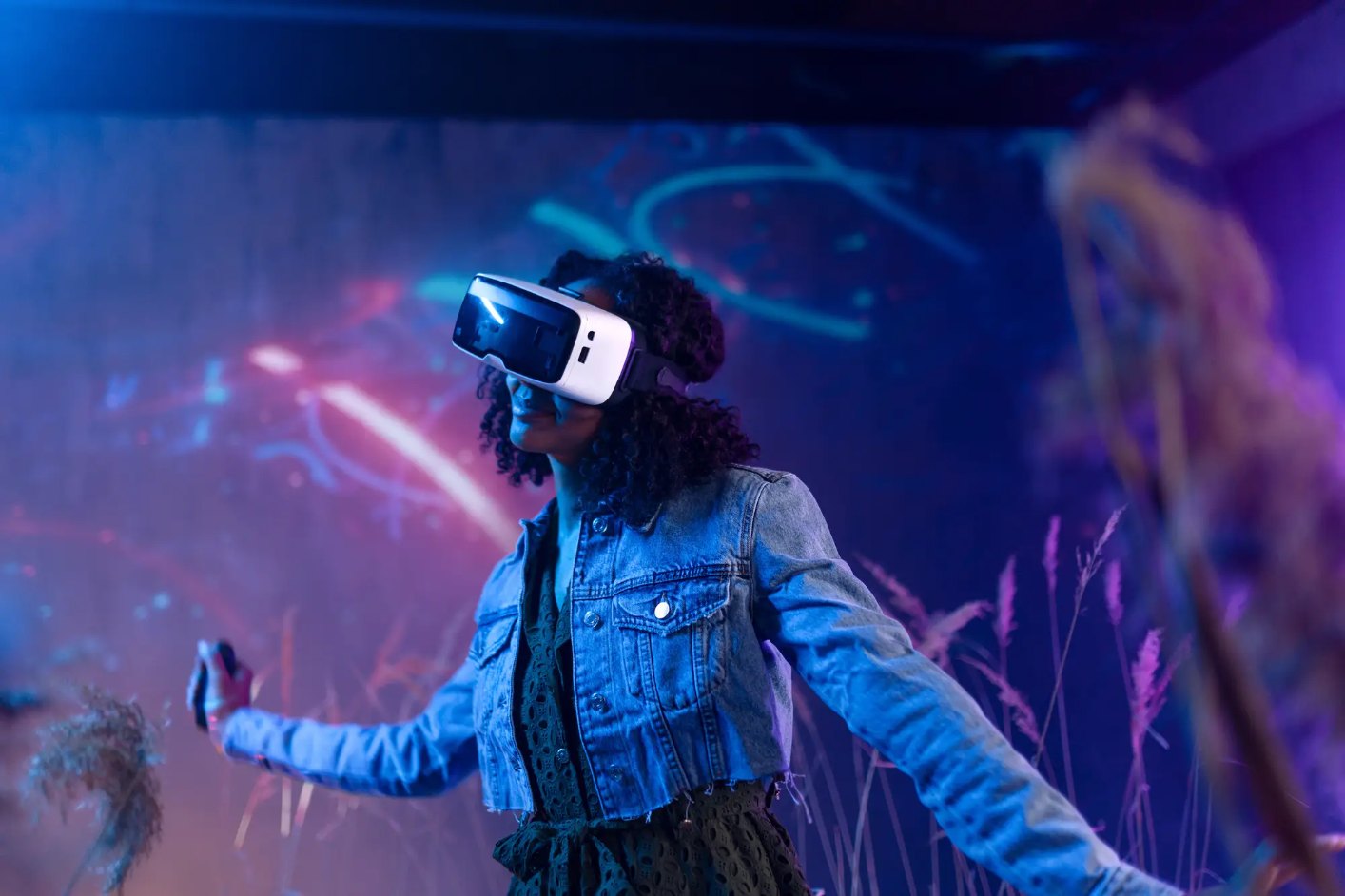
The Rise of VR Concerts: How Virtual Reality Is Changing Live Music Experiences
5 min read | 07 Oct 2025
More Articles

AI in Drug Discovery: Accelerating Pharmaceutical Research
6 min read | 23 Sep 2025

Synthetic Biology: Engineering Life at the Molecular Level
7 min read | 22 Sep 2025
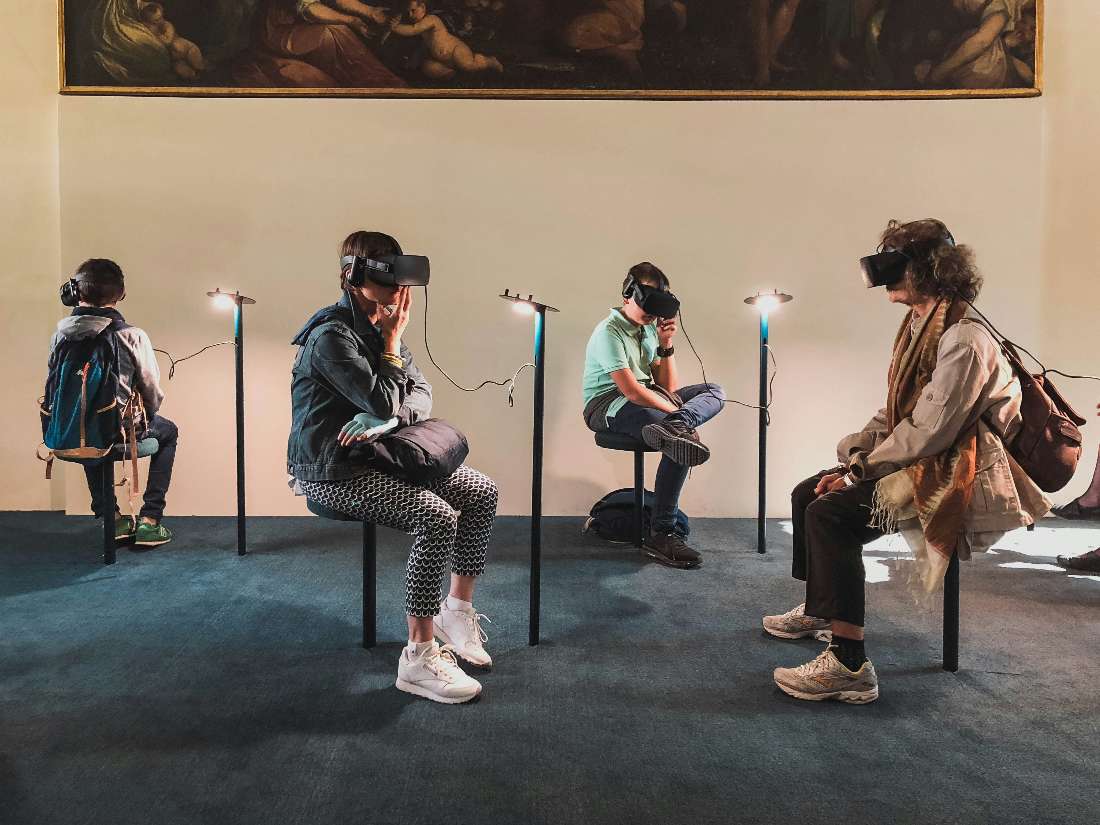
Haptic Technology: Touch Feedback in Virtual Environments
5 min read | 21 Sep 2025
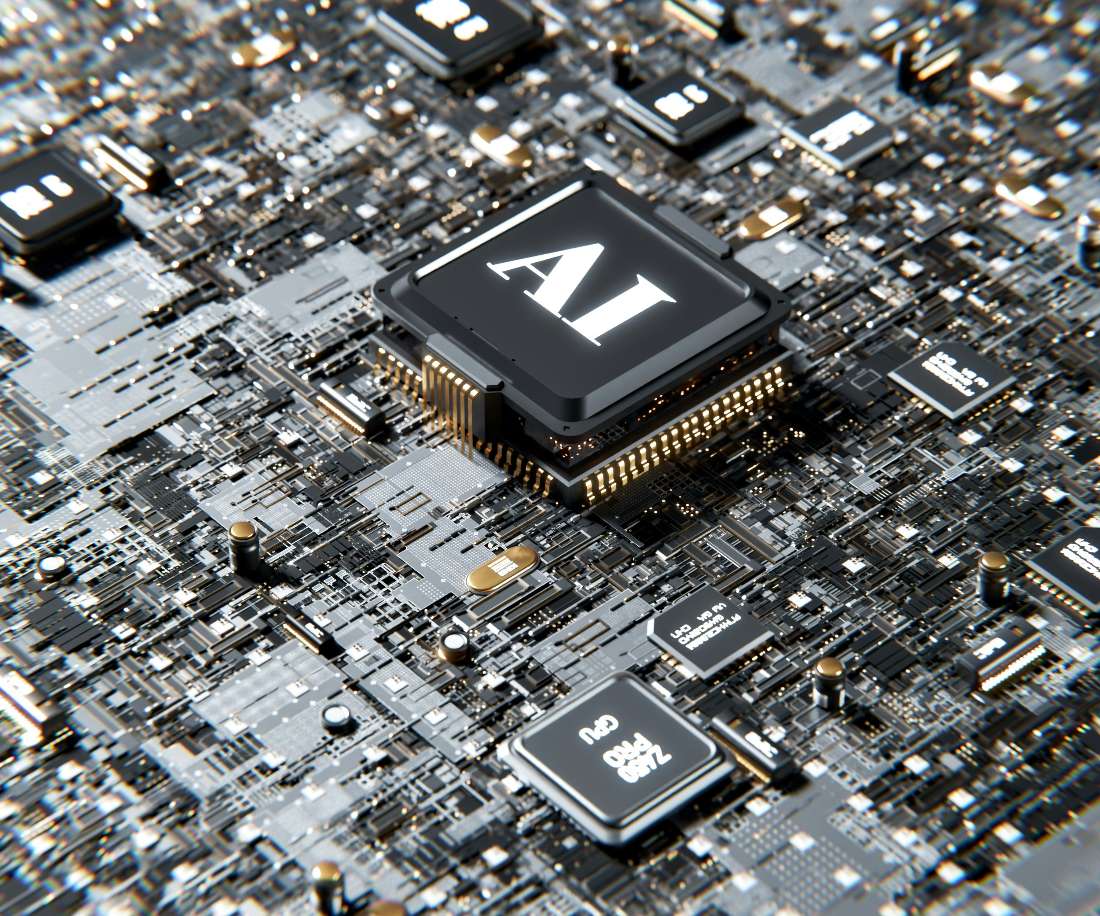
Cyber-Physical Systems: Bridging Physical and Digital Worlds
7 min read | 20 Sep 2025