

Exploring Smart Contracts: Applications and Future Trends
 By Lewis Adam
2 min read
26 Jul 2025
Smart contracts represent a transformative innovation within blockchain technology, enabling automated and trustless execution of agreements. Unlike traditional contracts, smart contracts are self-executing and self-enforcing, coded with predefined rules and conditions.
Applications in Finance: Smart contracts are revolutionizing financial transactions by automating processes such as lending, borrowing, and trading. Decentralized finance (DeFi) platforms utilize smart contracts to offer services like decentralized lending protocols (e.g., Compound), decentralized exchanges (e.g., Uniswap), and yield farming.
Supply Chain Management: In supply chain management, smart contracts enhance transparency and efficiency by automating tasks such as tracking inventory, verifying authenticity, and executing payments based on predefined conditions. This reduces delays, fraud, and costs associated with intermediaries.
Real Estate and Property: Smart contracts streamline real estate transactions by automating tasks like property transfers, escrow agreements, and rental payments. These contracts provide transparency and security while reducing reliance on third-party intermediaries.
Healthcare and Insurance: Smart contracts in healthcare facilitate secure and efficient management of patient data, insurance claims processing, and automated payments based on health outcomes. This improves data integrity, reduces administrative costs, and enhances patient privacy.
Future Trends: Looking ahead, the future of smart contracts is promising. Advancements in blockchain technology, such as scalability solutions (e.g., Ethereum 2.0, layer 2 solutions), interoperability between blockchains, and improved security protocols, will expand the scope and reliability of smart contract applications.
Challenges: Despite their potential, smart contracts face challenges such as scalability limitations, security vulnerabilities (e.g., code bugs), regulatory uncertainties, and interoperability issues between different blockchain platforms. Addressing these challenges is crucial for broader adoption and integration into various industries.
Conclusion: Smart contracts have already demonstrated their potential to revolutionize numerous industries by automating processes, reducing costs, and enhancing transparency. As blockchain technology evolves and adoption grows, smart contracts will continue to play a pivotal role in reshaping how agreements are made and executed globally.

The AR Breakthrough That Will Make Blockchain Transactions Simpler Than Ever!
5 min read | 11 Oct 2025
How AI Is Making Blockchain Smarter and Safer – The Inside Scoop!
7 min read | 10 Oct 2025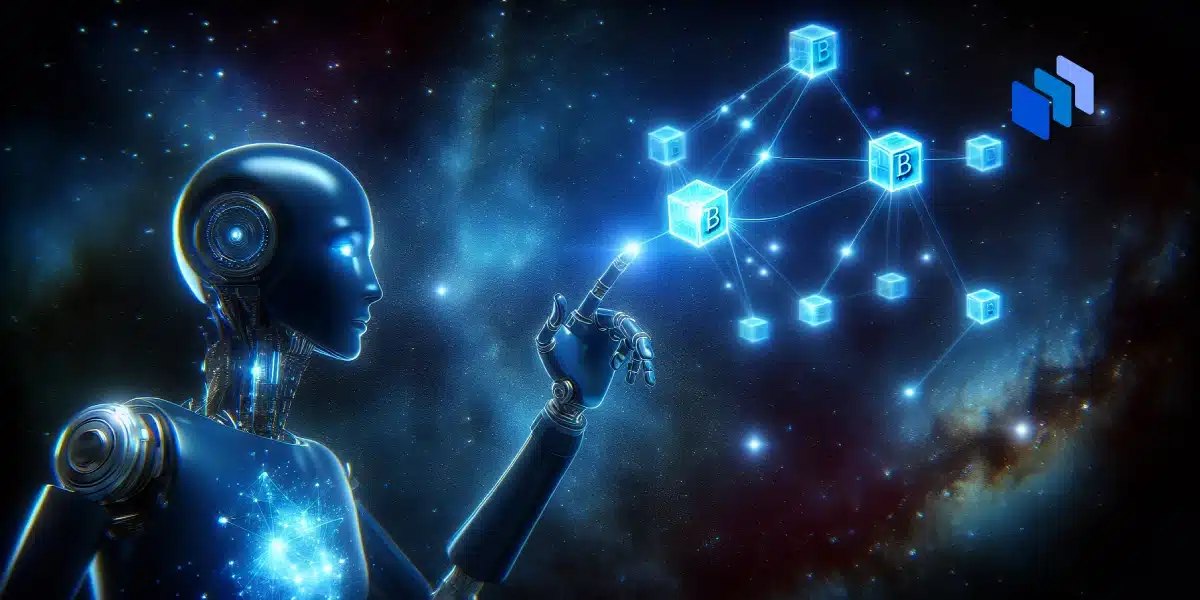
The Big Tech Twist: How VR Is Set to Disrupt Blockchain Like Never Before!
6 min read | 09 Oct 2025
Unlocking the Power of AR: How Augmented Reality Is Set to Revolutionize Blockchain!
7 min read | 08 Oct 2025More Articles

AR and VR Entertainment: Redefining the Entertainment Industry
4 min read | 04 Sep 2025
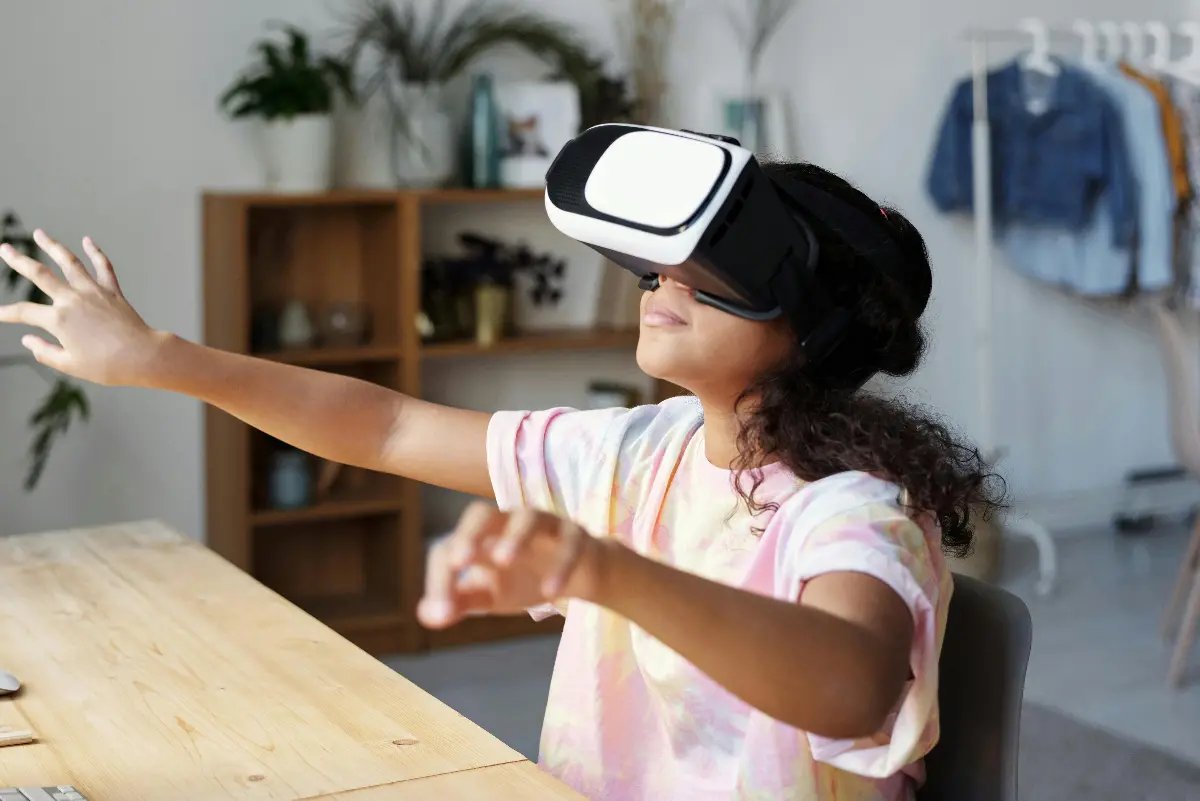
AR and VR Entertainment: Redefining the Entertainment Industry
5 min read | 03 Sep 2025

The Rise of Virtual Commerce: AR and VR in E-Commerce
4 min read | 02 Sep 2025

Exploring the Future: The Impact of AR and VR Technologies
5 min read | 01 Sep 2025
More Articles

5G and Gaming: A Match Made in Virtual Heaven
2 min read | 29 Apr 2025

Biometric Security: The Future of Passwords and Authentication
3 min read | 28 Apr 2025

Flying Cars: Making Science Fiction a Reality
4 min read | 27 Apr 2025

The Quantum Internet: Unbreakable and Superfast Communication
3 min read | 26 Apr 2025