

The Rise of Virtual Commerce: AR and VR in E-Commerce
 By Wilson Baker
5 min read
02 Sep 2025
E-commerce has witnessed a remarkable evolution with the integration of Augmented Reality (AR) and Virtual Reality (VR) technologies, ushering in a new era of virtual commerce. As businesses embrace these immersive technologies, the landscape of online shopping is undergoing a profound transformation, offering consumers an interactive and engaging shopping experience like never before.
One of the key advantages of AR and VR in e-commerce is their ability to bridge the gap between the digital and physical worlds, allowing customers to virtually interact with products before making a purchase. AR applications enable shoppers to visualize products in their own environment using their smartphones or tablets, eliminating uncertainty and enhancing the online shopping experience. For example, furniture retailers can offer AR-powered apps that allow customers to see how a sofa would look in their living room before buying.
VR takes this concept a step further by immersing customers in a virtual shopping environment where they can explore products in a lifelike setting. Virtual storefronts and showrooms enable shoppers to browse through aisles, examine products up close, and even interact with virtual sales assistants. This immersive experience not only increases customer engagement but also reduces the need for physical showrooms and brick-and-mortar stores, offering cost savings for businesses.
In addition to enhancing the shopping experience, AR and VR technologies are revolutionizing product customization and personalization in e-commerce. Customers can use AR apps to customize products, such as sneakers or jewelry, by choosing colors, materials, and designs in real-time. VR platforms allow for even more immersive customization experiences, enabling customers to design and personalize their virtual avatars or create custom-made products from scratch.
The impact of AR and VR in e-commerce extends beyond product visualization and customization to marketing and advertising. AR-powered advertisements allow brands to create interactive and engaging campaigns that capture the attention of consumers. For example, beauty brands can offer AR-powered makeup try-on experiences, allowing customers to virtually try different shades of lipstick or eyeshadow before making a purchase.
As businesses continue to explore the potential of AR and VR in e-commerce, it's clear that these immersive technologies will play a pivotal role in shaping the future of online shopping. From enhancing product visualization and customization to revolutionizing marketing and advertising, AR and VR offer endless possibilities for businesses to create innovative and engaging shopping experiences for their customers. By embracing these technologies, businesses can stay ahead of the curve and provide customers with a truly immersive and personalized e-commerce experience.

The AR Breakthrough That Will Make Blockchain Transactions Simpler Than Ever!
5 min read | 11 Oct 2025
How AI Is Making Blockchain Smarter and Safer – The Inside Scoop!
7 min read | 10 Oct 2025
The Big Tech Twist: How VR Is Set to Disrupt Blockchain Like Never Before!
5 min read | 09 Oct 2025
Unlocking the Power of AR: How Augmented Reality Is Set to Revolutionize Blockchain!
5 min read | 08 Oct 2025More Articles

Ethics in AI: Balancing Innovation and Responsibility
4 min read | 11 Oct 2025

Tech Startups: Innovation and Disruption in the Digital Age
6 min read | 10 Oct 2025

The Role of Big Data in Shaping Modern Businesses
4 min read | 09 Oct 2025

Augmented Reality (AR) in Retail: Enhancing Customer Experience
6 min read | 08 Oct 2025
More Articles

Armored Core VI: Fires of Rubicon - Mech Warfare Reimagined
4 min read | 31 May 2025
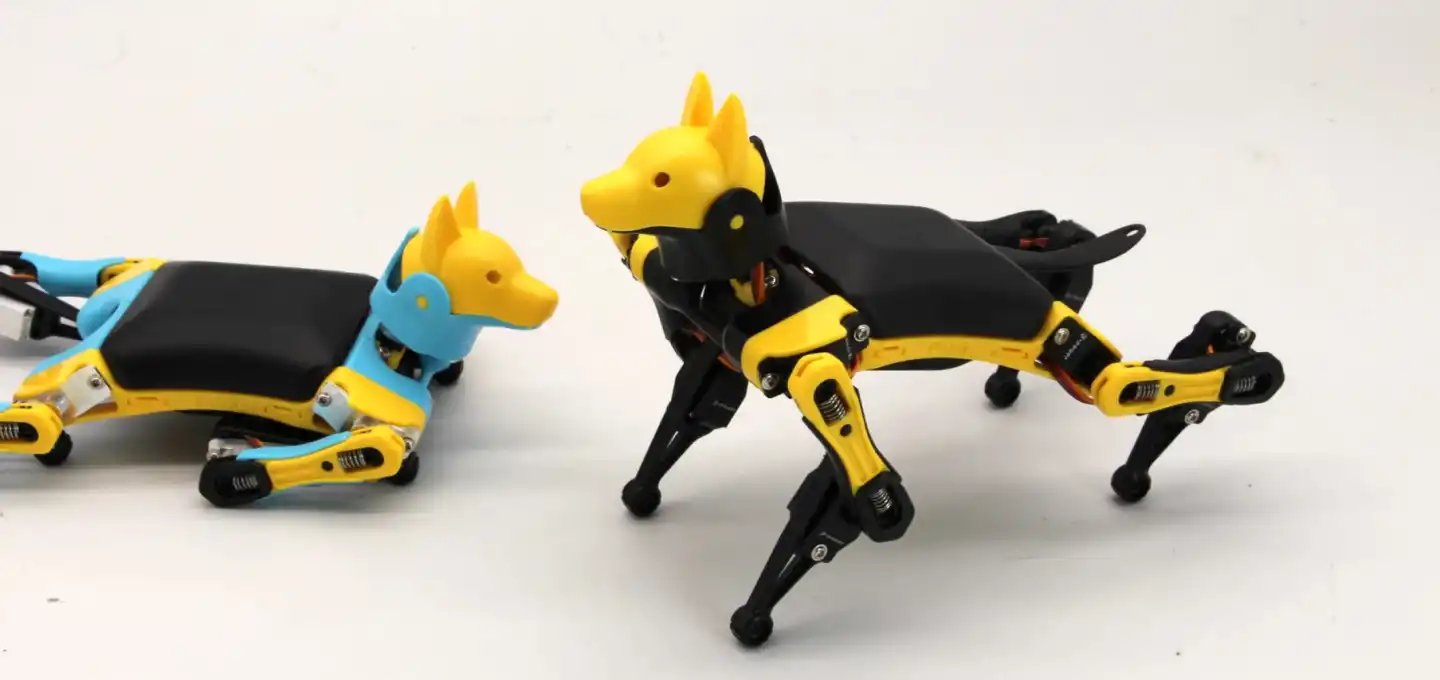
Petoi Bittle – A Palm-sized STEM Robot Dog: Your Adorable Robo-Companion
3 min read | 30 May 2025

Space Gadget Feels of Space: Futuristic Tech for Earthlings
3 min read | 29 May 2025

Denon PerL Pro: High-Quality Headphones for the Discerning Student
2 min read | 28 May 2025