
The Role of VR in Therapy: How Immersive Technology Is Enhancing Mental Health Treatments
 By Lewis Adam
6 min read
05 Oct 2025
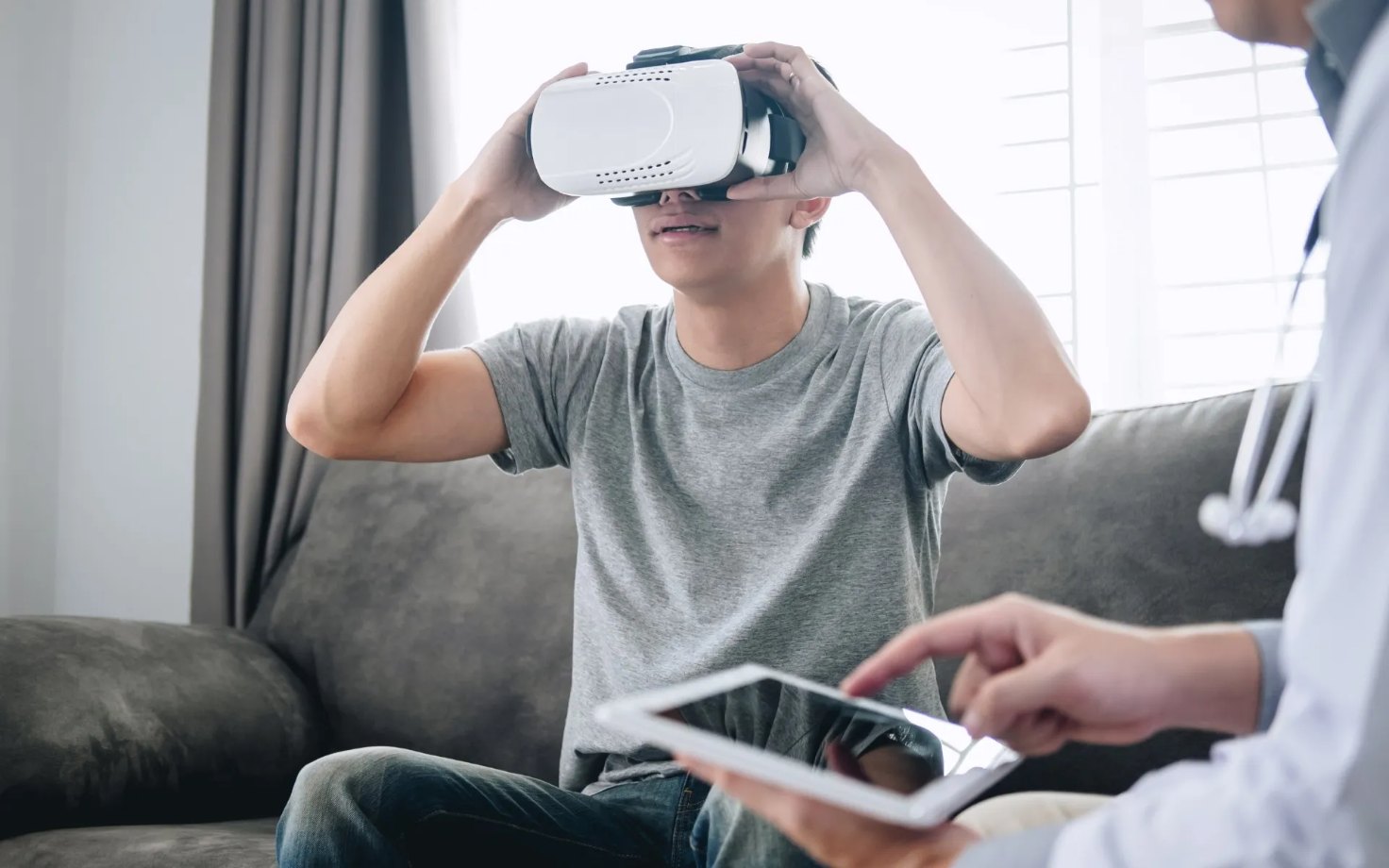
Virtual Reality (VR) is emerging as a powerful tool in mental health therapy, offering innovative and immersive approaches to treating various psychological conditions. By creating controlled and interactive virtual environments, VR therapy provides patients with new ways to address and manage their mental health challenges. The integration of VR into therapeutic practices is transforming how therapists approach treatment and how patients experience healing.
One of the most significant applications of VR in therapy is exposure therapy. VR allows patients to confront and gradually desensitize themselves to fears or phobias in a safe and controlled setting. For example, individuals with a fear of heights can use VR to simulate high-altitude environments and work through their anxieties step by step. This gradual exposure helps patients build resilience and reduce their fear responses, leading to improved coping mechanisms in real-life situations.
VR therapy is also proving effective for treating post-traumatic stress disorder (PTSD) and anxiety disorders. Virtual simulations can recreate traumatic events or stress-inducing scenarios, allowing patients to process and reframe their experiences in a therapeutic context. This approach helps individuals gain a sense of control and develop strategies for managing their symptoms. VR-based interventions provide a safe space for patients to work through their trauma and anxiety, enhancing the effectiveness of traditional therapeutic techniques.
In addition to exposure therapy, VR is being used to support cognitive behavioral therapy (CBT) and other therapeutic modalities. Virtual environments can simulate various social interactions and scenarios, helping patients practice and improve their social skills, emotional regulation, and problem-solving abilities. For example, VR simulations can recreate social situations, such as public speaking or social gatherings, allowing patients to build confidence and develop coping strategies in a controlled environment.
The use of VR in therapy also offers benefits such as increased accessibility and engagement. VR therapy can be conducted remotely, allowing patients to access therapeutic interventions from the comfort of their homes. This flexibility is particularly valuable for individuals who may have difficulty attending in-person sessions due to geographical or logistical constraints. Additionally, the immersive nature of VR can enhance patient engagement and motivation, making therapeutic exercises more compelling and effective.
Despite its potential, VR therapy faces challenges that need to be addressed. The cost of VR equipment and software can be a barrier to widespread adoption, and ensuring that VR interventions are evidence-based and safe is crucial. Additionally, therapists need specialized training to effectively integrate VR into their practices and to ensure that the technology complements traditional therapeutic approaches.
In conclusion, VR is enhancing mental health treatments by providing immersive and innovative therapeutic approaches. Through exposure therapy, cognitive behavioral therapy, and increased accessibility, VR offers new ways to address and manage psychological conditions. As VR technology continues to evolve, its role in mental health therapy will likely expand, offering new opportunities for effective and engaging treatment options.
The AR Breakthrough That Will Make Blockchain Transactions Simpler Than Ever!
5 min read | 11 Oct 2025
How AI Is Making Blockchain Smarter and Safer – The Inside Scoop!
7 min read | 10 Oct 2025
The Big Tech Twist: How VR Is Set to Disrupt Blockchain Like Never Before!
6 min read | 09 Oct 2025
Unlocking the Power of AR: How Augmented Reality Is Set to Revolutionize Blockchain!
7 min read | 08 Oct 2025More Articles

Network Slicing: The Secret to Efficient 5G Networks
4 min read | 22 Sep 2025

Software-Defined Networking (SDN): The Key to Agile Networks
4 min read | 21 Sep 2025
Network Function Virtualization (NFV): The Technology Behind 5G
5 min read | 20 Sep 2025
Wireless Communication: The Future of Connectivity
6 min read | 19 Sep 2025
More Articles

Fleet Management: The Secret to Efficient Operations
6 min read | 21 Aug 2025

Logistics Technology: The Innovations You Can't Afford to Ignore
4 min read | 20 Aug 2025

Digital Supply Chain: The Future of Logistics and Distribution
5 min read | 19 Aug 2025

Predictive Maintenance: How to Save Millions with AI
7 min read | 18 Aug 2025