
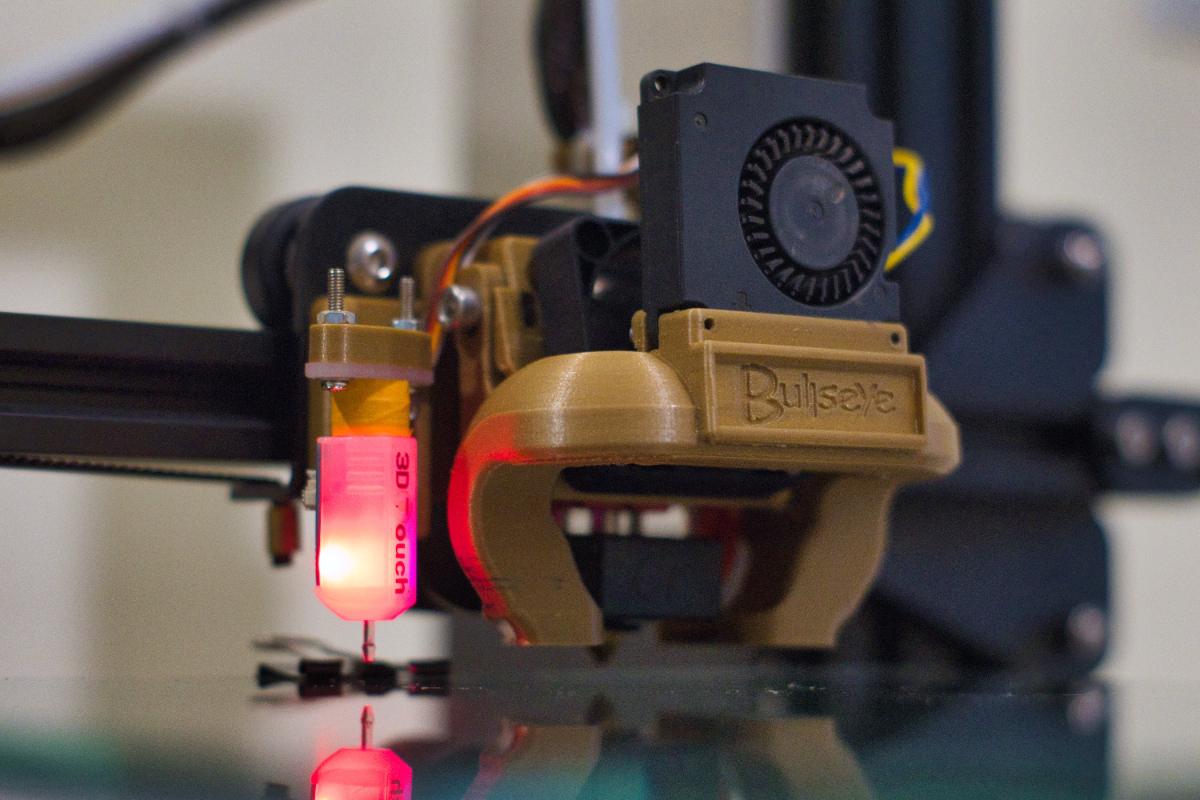
The Impact of 3D Bioprinting on Healthcare
 By Sayan Gosh
4 min read
26 Jun 2025
3D bioprinting technology is revolutionizing healthcare by enabling the fabrication of complex tissues, organs, and medical implants with unprecedented precision and customization.
Understanding 3D Bioprinting: Printing Living Structures
3D bioprinting uses bioinks and living cells to construct biomimetic tissues and organoids, replicating natural biological structures for medical research, drug testing, and transplantation.
Customized Medical Implants: Personalized Healthcare Solutions
Patient-specific implants, prosthetics, and surgical guides are tailored using 3D printing technology, enhancing treatment outcomes, reducing surgery times, and improving patient recovery.
Regenerative Medicine: Healing and Tissue Repair
Bioprinted tissues promote tissue regeneration, wound healing, and organ repair by delivering bioactive agents, cells, and growth factors to affected areas, advancing regenerative therapies.
Drug Development and Testing: Accelerating Research
3D bioprinted models simulate human tissues and organs to study disease mechanisms, evaluate drug efficacy, and personalize treatments, accelerating pharmaceutical research and development.
Surgical Training and Education: Enhancing Skills
Simulated surgical models and anatomical replicas aid medical training, surgical planning, and skill development, providing hands-on learning experiences for healthcare professionals.
Ethical and Regulatory Considerations: Guiding Principles
Ethical frameworks and regulatory standards ensure safety, quality control, and ethical use of 3D bioprinting technologies, addressing concerns about patient safety and bioethical implications.
Cost and Accessibility: Democratizing Healthcare Innovation
Advancements in 3D printing technology reduce production costs, improve accessibility to medical devices, and democratize healthcare innovation, benefiting underserved populations globally.
Challenges and Future Directions: Overcoming Barriers
Challenges such as vascularization, tissue integration, and scalability require interdisciplinary collaborations, technological advancements, and ongoing research to unlock the full potential of 3D bioprinting.
Future Applications: Bioprinting Complex Organs
Future trends include bioprinting functional organs, tissues with vascular networks, and biofabricated implants for patient-specific treatments, advancing personalized medicine and healthcare outcomes.
Conclusion
In conclusion, 3D bioprinting transforms healthcare by enabling personalized treatments, accelerating medical research, and paving the way for innovative therapies that improve patient care and quality of life.

The AR Breakthrough That Will Make Blockchain Transactions Simpler Than Ever!
6 min read | 11 Oct 2025
How AI Is Making Blockchain Smarter and Safer – The Inside Scoop!
7 min read | 10 Oct 2025
The Big Tech Twist: How VR Is Set to Disrupt Blockchain Like Never Before!
5 min read | 09 Oct 2025
Unlocking the Power of AR: How Augmented Reality Is Set to Revolutionize Blockchain!
5 min read | 08 Oct 2025More Articles
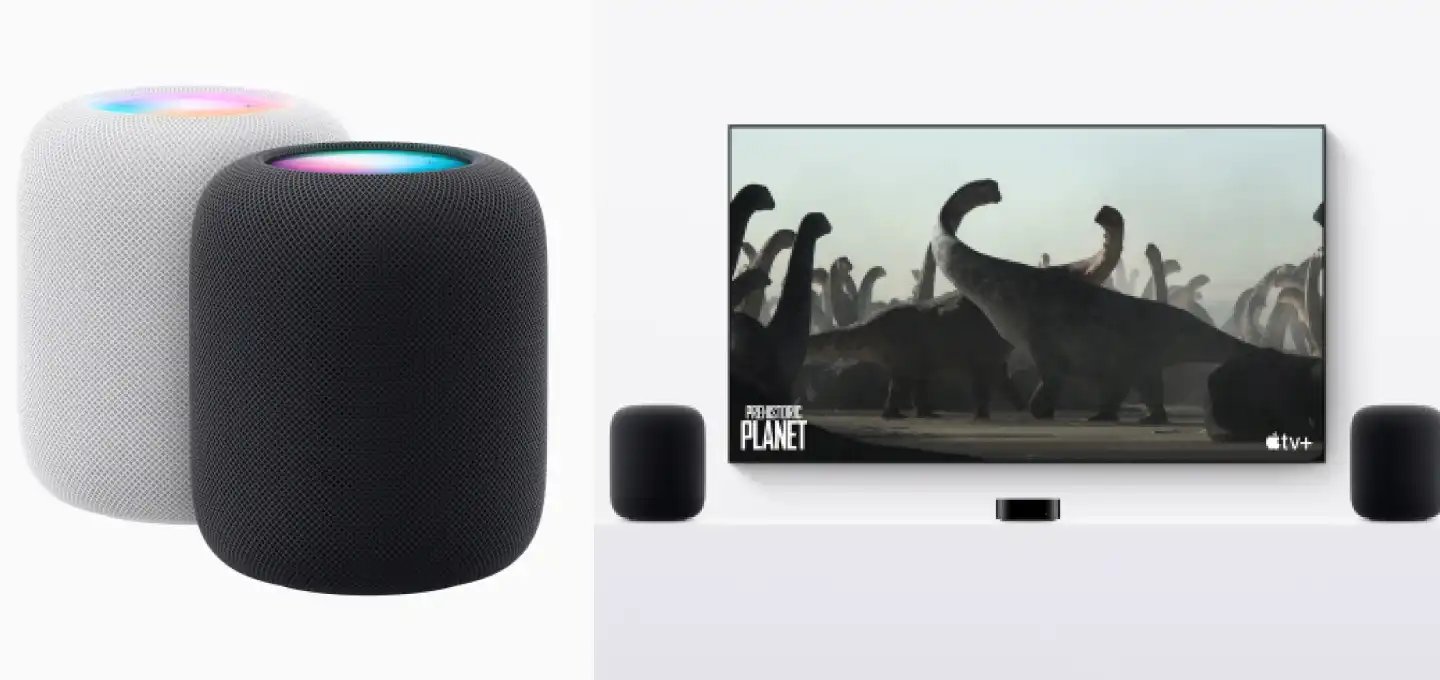
Apple HomePod (2023): The Next Generation of Smart Home Audio
3 min read | 16 May 2025

Adventure 1 Electric Camper: Exploring the Outdoors in Comfort and Eco-Friendly Style
5 min read | 15 May 2025

DJI Air 3: Dual Camera Drone - Capturing Aerial Adventures in Style
2 min read | 14 May 2025

LG Suitcase TV: A Portable Entertainment Center for Travelers
3 min read | 13 May 2025
More Articles

Bioinformatics: Merging Biology with Data Science
6 min read | 17 Sep 2025
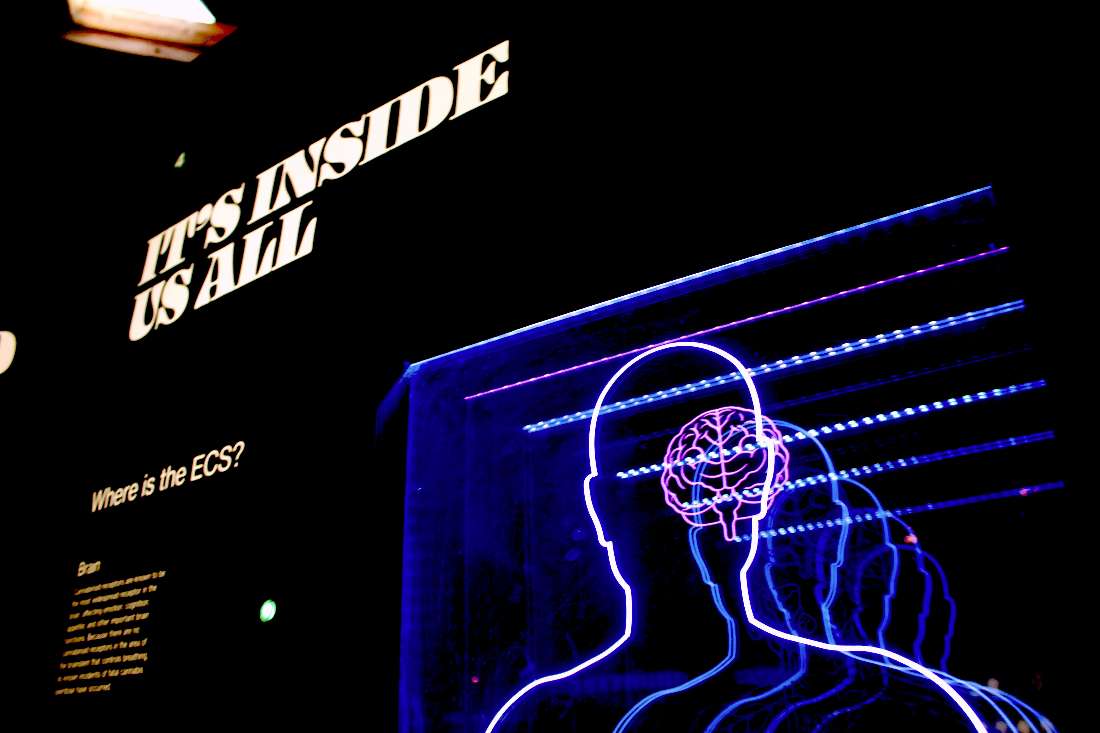
Brain-Computer Interfaces: The Frontier of Human-Computer Interaction
6 min read | 16 Sep 2025
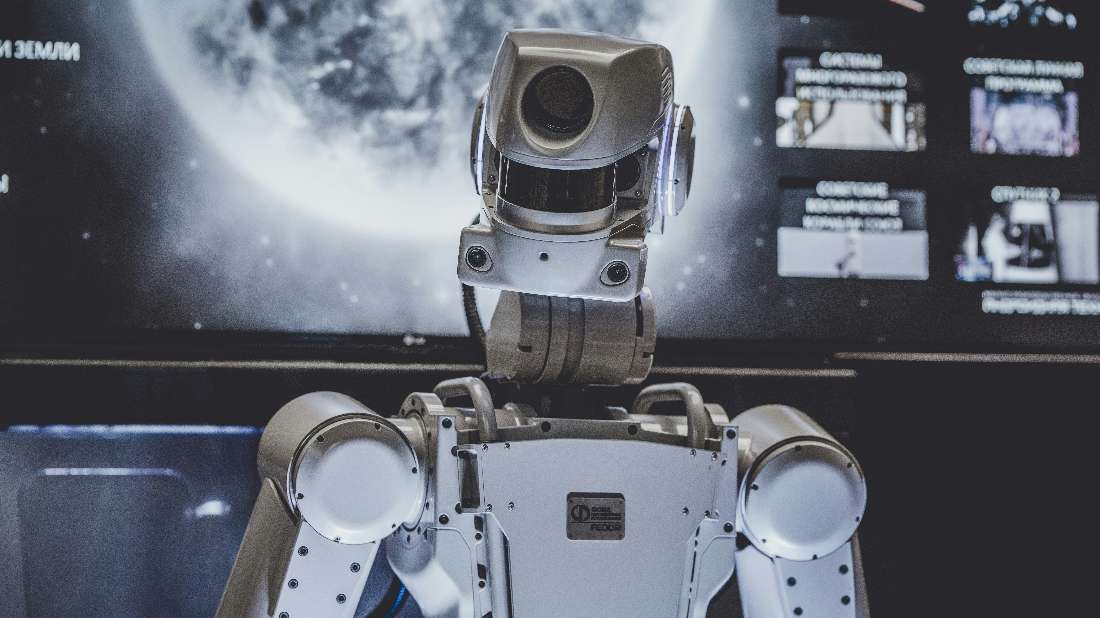
AI Ethics and Bias: Ensuring Fairness in Machine Learning
7 min read | 15 Sep 2025

Edge Computing: Decentralizing Data Processing
6 min read | 14 Sep 2025