
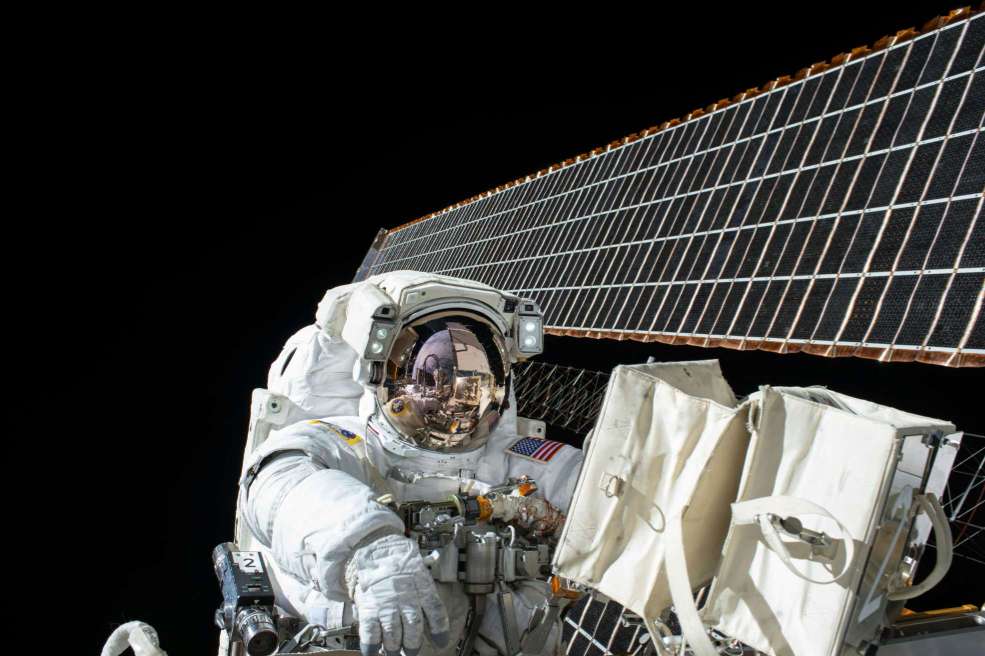
Space Technology: The Final Frontier of Innovation
 By Wilson Baker
7 min read
10 Sep 2025
Space technology is pushing the boundaries of human knowledge and capability, driving unprecedented advancements in various fields. This article delves into the key areas where space technology is making a significant impact and how it continues to shape our future.
Understanding Space Technology
Definition and Scope: Space technology encompasses the tools, equipment, and techniques developed for exploring and utilizing outer space. This includes satellites, space probes, spacecraft, and advanced propulsion systems. Key Areas of Application: From satellite communications and Earth observation to deep space exploration and space tourism, space technology has far-reaching implications for science, industry, and everyday life.
Benefits of Space Technology
Communication and Connectivity: Satellites play a crucial role in global communication networks, providing internet access, television broadcasts, and navigation services. Earth Observation and Environmental Monitoring: Space technology enables precise monitoring of Earth's climate, natural disasters, and environmental changes, aiding in disaster management and sustainable development. Scientific Discovery and Exploration: Space missions contribute to our understanding of the universe, from studying planetary systems to uncovering the mysteries of black holes and dark matter.
Challenges and Opportunities
Cost and Accessibility: The high costs associated with space missions and technology development remain a significant barrier, though advancements are making space more accessible. Space Debris: Managing space debris and ensuring the sustainability of outer space activities are critical challenges as the number of satellites and missions increases. International Collaboration: Strengthening international cooperation in space exploration and technology development is essential for addressing global challenges and maximizing the benefits of space technology.
Future Trends in Space Technology
Space Tourism: The commercialization of space travel is opening new opportunities for space tourism, with private companies developing spacecraft for civilian trips to space. Mars and Beyond: Ambitious missions to Mars and other celestial bodies aim to explore the possibility of human colonization and the search for extraterrestrial life. Advanced Propulsion Systems: Innovations in propulsion technology, such as ion drives and nuclear propulsion, are set to revolutionize space travel by reducing travel time and increasing mission efficiency.
Conclusion
Space technology is the final frontier of innovation, driving human progress and expanding our horizons. As we continue to explore and utilize space, the advancements in space technology will play a pivotal role in shaping our future, offering new opportunities for discovery, connectivity, and global cooperation.

The AR Breakthrough That Will Make Blockchain Transactions Simpler Than Ever!
6 min read | 11 Oct 2025
How AI Is Making Blockchain Smarter and Safer – The Inside Scoop!
7 min read | 10 Oct 2025
The Big Tech Twist: How VR Is Set to Disrupt Blockchain Like Never Before!
6 min read | 09 Oct 2025
Unlocking the Power of AR: How Augmented Reality Is Set to Revolutionize Blockchain!
7 min read | 08 Oct 2025More Articles

Augmented Reality for Military Training and Simulation
5 min read | 16 Jul 2025

Cybersecurity Challenges in the Internet of Medical Things (IoMT)
6 min read | 15 Jul 2025

AI in Music Composition and Production
5 min read | 14 Jul 2025

Artificial Intelligence in Wildlife Conservation
5 min read | 13 Jul 2025
More Articles

Fleet Management: The Secret to Efficient Operations
5 min read | 21 Aug 2025

Logistics Technology: The Innovations You Can't Afford to Ignore
7 min read | 20 Aug 2025
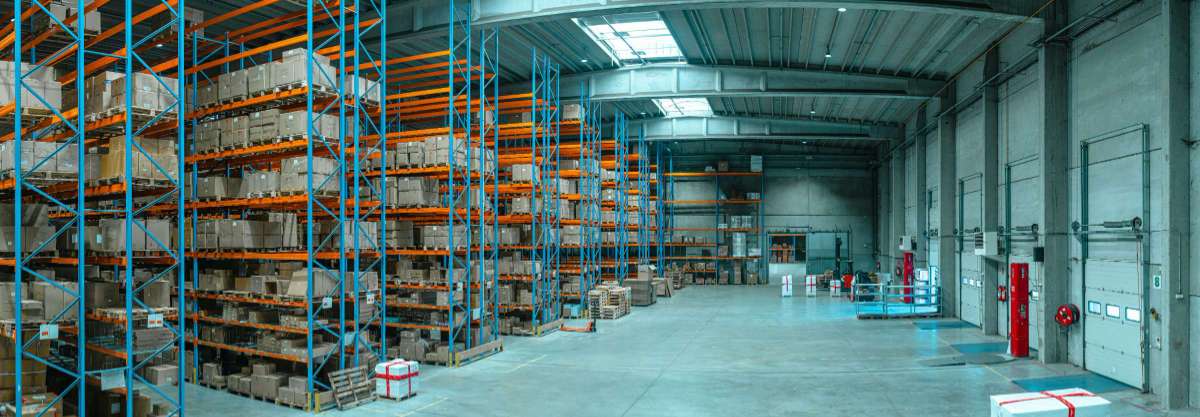
Digital Supply Chain: The Future of Logistics and Distribution
7 min read | 19 Aug 2025

Predictive Maintenance: How to Save Millions with AI
4 min read | 18 Aug 2025