
Empowering Accessibility: AR and VR for People with Disabilities
 By Prince Matthews
6 min read
17 Sep 2025
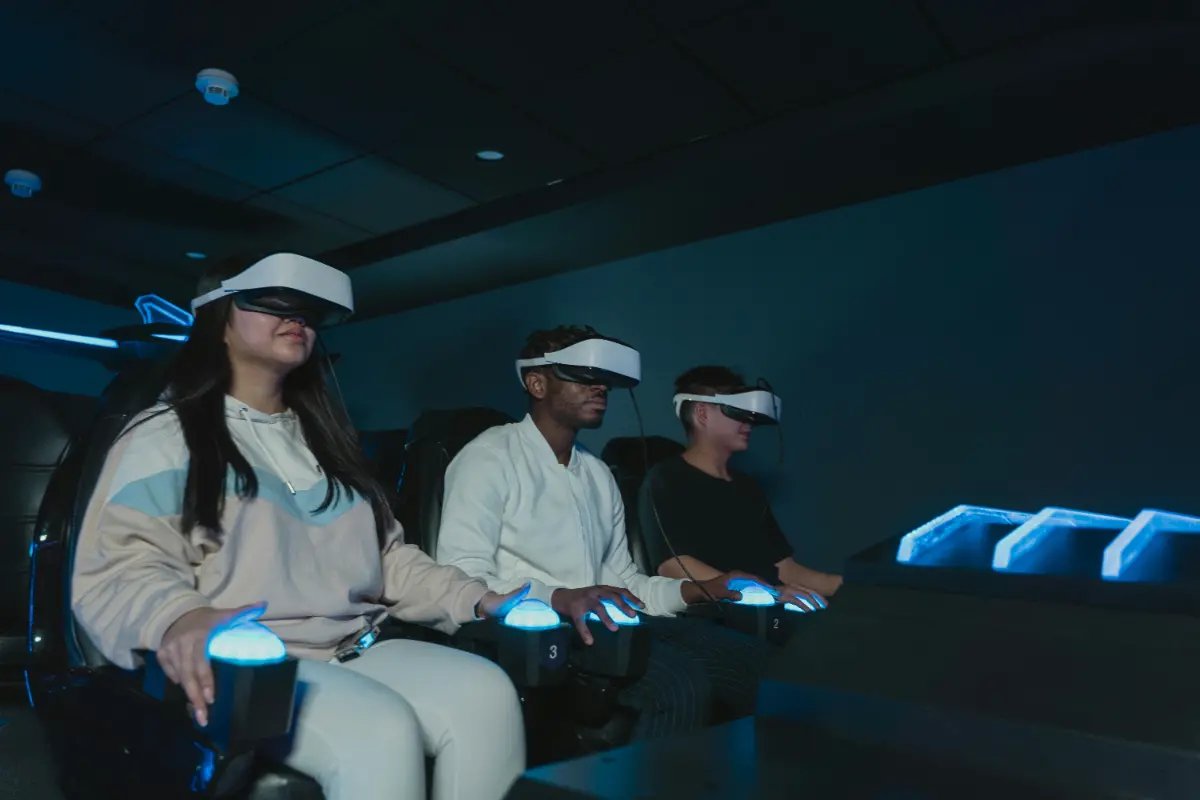
Augmented Reality (AR) and Virtual Reality (VR) technologies are empowering people with disabilities by providing new tools and experiences that enhance accessibility and inclusivity in various aspects of life.
In the realm of education and learning, AR and VR offer immersive and interactive experiences that cater to diverse learning styles and abilities. VR simulations, for example, enable students with disabilities to explore historical sites, conduct virtual science experiments, and engage in hands-on learning experiences that may not be accessible in traditional classroom settings. AR applications provide real-time visual and auditory aids, such as captions and subtitles, to support students with hearing or vision impairments.
Moreover, AR and VR technologies are transforming the way people with disabilities access information and navigate their surroundings. AR navigation apps, for instance, provide audio-based directions and haptic feedback to guide users with visual impairments through indoor and outdoor spaces. VR simulations enable users with mobility impairments to explore inaccessible locations, such as rugged terrain or historic landmarks, from the comfort of their homes.
In addition to enhancing accessibility, AR and VR are also fostering social inclusion and connection for people with disabilities. VR social platforms enable users to interact and socialize in virtual environments, overcoming physical barriers and fostering a sense of community and belonging. AR applications provide real-time translation and communication aids, enabling users with speech or language impairments to participate in conversations and engage with others more effectively.
As AR and VR technology continues to evolve, the potential for empowering accessibility is vast. From assistive AR tools for daily tasks and VR therapy sessions for mental health to inclusive gaming experiences and virtual job training programs, AR and VR are opening up new possibilities for people with disabilities to lead more independent, fulfilling, and connected lives. By embracing these transformative technologies, we can create a more inclusive and accessible world for all.
In conclusion, Augmented Reality (AR) and Virtual Reality (VR) are empowering people with disabilities by providing innovative tools and experiences that enhance accessibility, inclusivity, and quality of life. Whether it's enhancing educational opportunities, facilitating navigation and access to information, or fostering social inclusion and connection, AR and VR technologies have the power to transform lives and create a more equitable and inclusive society.
The AR Breakthrough That Will Make Blockchain Transactions Simpler Than Ever!
6 min read | 11 Oct 2025
How AI Is Making Blockchain Smarter and Safer – The Inside Scoop!
7 min read | 10 Oct 2025
The Big Tech Twist: How VR Is Set to Disrupt Blockchain Like Never Before!
6 min read | 09 Oct 2025
Unlocking the Power of AR: How Augmented Reality Is Set to Revolutionize Blockchain!
7 min read | 08 Oct 2025More Articles
The Future of Generative AI in Creative Industries
6 min read | 14 Oct 2025
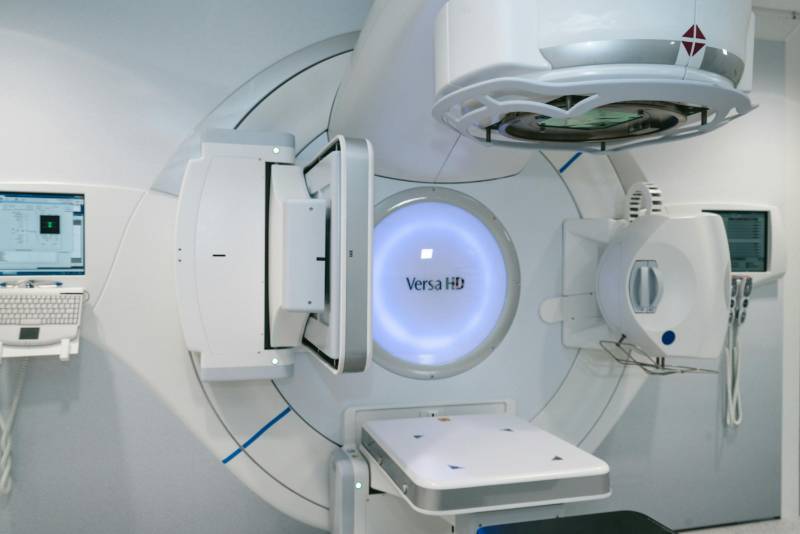
Machine Learning in Healthcare: Transforming Diagnosis and Treatment
8 min read | 13 Oct 2025
How Artificial Intelligence Is Redefining Workplace Productivity
9 min read | 12 Oct 2025

The Challenges of Bias in AI: Can Machine Learning Ever Be Truly Fair?
7 min read | 11 Oct 2025
More Articles
How Artificial Intelligence Is Redefining Workplace Productivity
9 min read | 12 Oct 2025
The Challenges of Bias in AI: Can Machine Learning Ever Be Truly Fair?
7 min read | 11 Oct 2025
The Future of Quantum AI: What Happens When AI Meets Quantum Computing?
5 min read | 10 Oct 2025
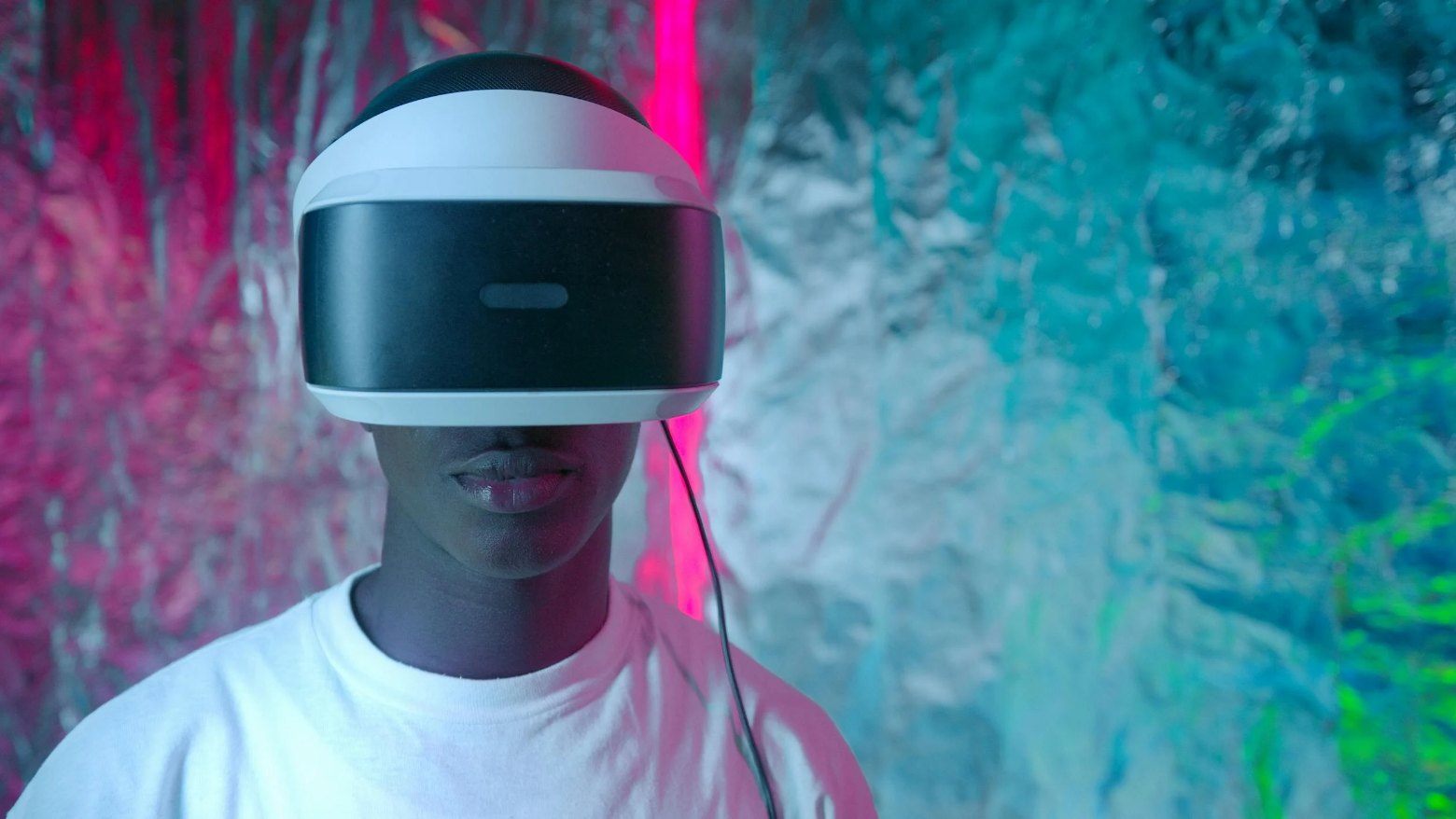
How AI is Enhancing Video Games: Creating Smarter NPCs and Dynamic Worlds
5 min read | 09 Oct 2025