

AI in Retail: How Machine Learning Is Personalizing Shopping Experiences
 By Christin Hume
4 min read
06 Oct 2025
Artificial Intelligence (AI) is revolutionizing the retail industry by harnessing machine learning to create personalized shopping experiences. As technology evolves, retailers are increasingly leveraging AI to understand customer preferences, enhance shopping interactions, and optimize the overall retail experience.
Machine learning algorithms analyze vast amounts of data from customer interactions, purchase history, and browsing behavior. By recognizing patterns and trends, AI systems can predict individual preferences and recommend products that align with a customer’s unique tastes. For instance, e-commerce platforms use AI-driven recommendation engines to suggest items based on previous purchases or items viewed, significantly enhancing the shopping experience.
In addition to recommendations, AI personalizes shopping experiences through dynamic pricing and inventory management. Machine learning models adjust prices based on factors such as demand, competition, and customer behavior. This approach ensures that prices are competitive and tailored to the buying habits of different customer segments. Similarly, AI helps retailers manage inventory by predicting demand for specific products, reducing the likelihood of stockouts or overstocking.
AI-powered chatbots and virtual assistants are becoming common in retail, offering real-time support and personalized assistance. These intelligent systems handle customer inquiries, provide product information, and assist with order tracking. By engaging with customers through natural language processing, AI chatbots create a seamless and interactive shopping experience that enhances customer satisfaction.
The use of AI in retail extends to personalized marketing and advertising. Machine learning algorithms analyze customer data to create targeted marketing campaigns that resonate with individual preferences. This precision in targeting increases the effectiveness of advertising efforts and improves return on investment for retailers.
Despite these advancements, there are challenges associated with AI in retail, including concerns about data privacy and the need for ethical data handling practices. Retailers must ensure that customer data is collected and used responsibly, maintaining transparency and trust.
In conclusion, AI and machine learning are transforming the retail landscape by offering personalized shopping experiences through recommendations, dynamic pricing, inventory management, and customer support. As these technologies continue to evolve, they will further enhance the way retailers connect with customers and optimize their operations.

The AR Breakthrough That Will Make Blockchain Transactions Simpler Than Ever!
6 min read | 11 Oct 2025
How AI Is Making Blockchain Smarter and Safer – The Inside Scoop!
7 min read | 10 Oct 2025
The Big Tech Twist: How VR Is Set to Disrupt Blockchain Like Never Before!
5 min read | 09 Oct 2025
Unlocking the Power of AR: How Augmented Reality Is Set to Revolutionize Blockchain!
5 min read | 08 Oct 2025More Articles
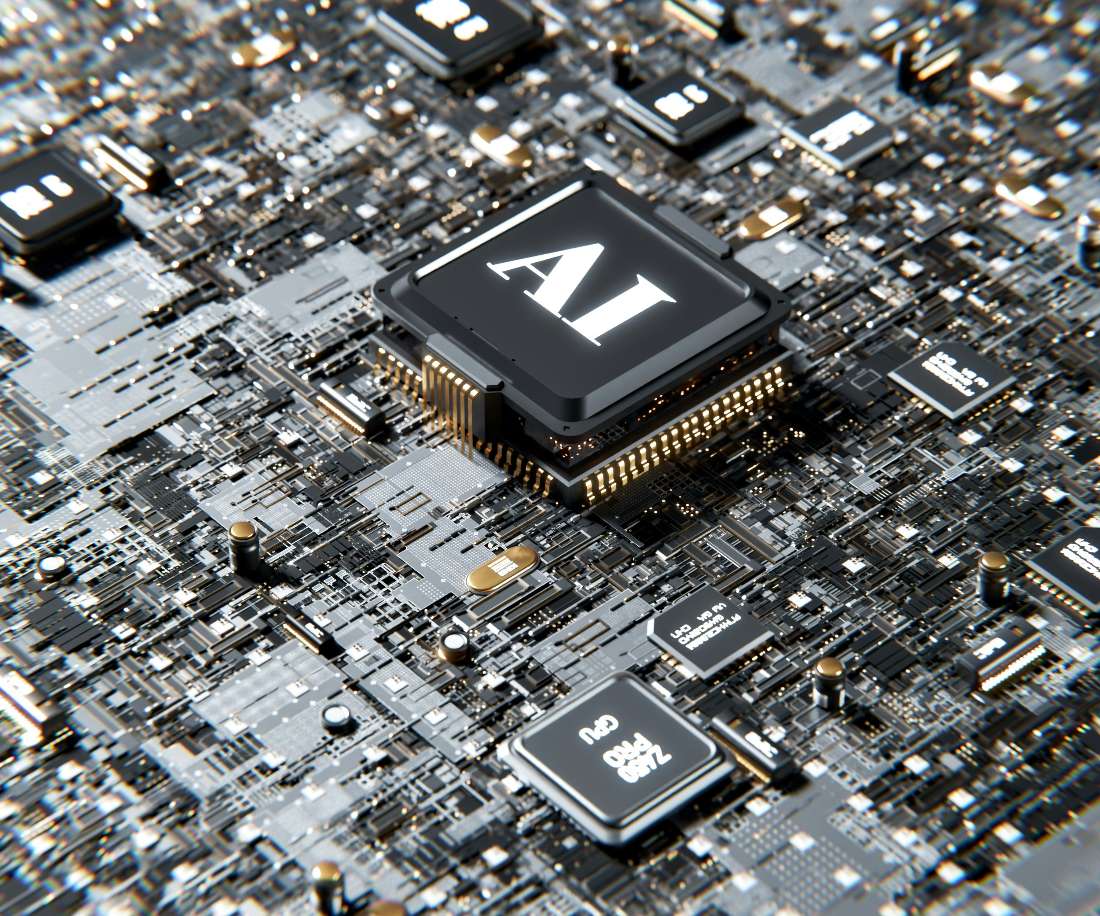
Cyber-Physical Systems: Bridging Physical and Digital Worlds
6 min read | 20 Sep 2025

Quantum Internet: The Next Generation of Secure Communication
6 min read | 19 Sep 2025
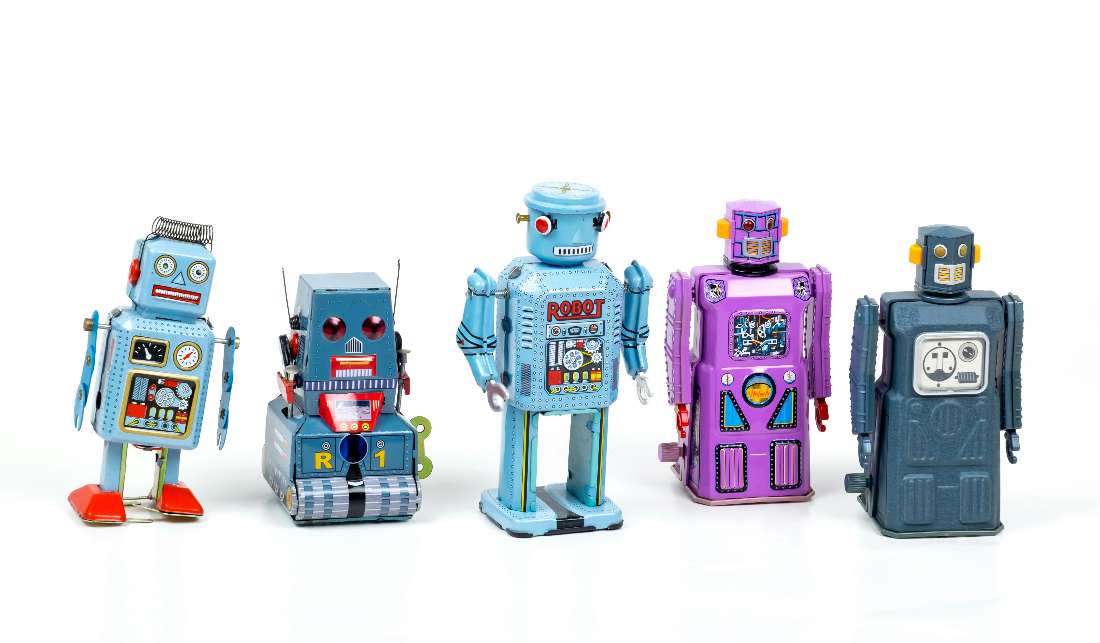
Swarm Robotics: Collective Autonomous Systems
5 min read | 18 Sep 2025

Bioinformatics: Merging Biology with Data Science
6 min read | 17 Sep 2025
More Articles

The Rise of NFTs: How Blockchain is Revolutionizing Digital Ownership
7 min read | 04 Oct 2025
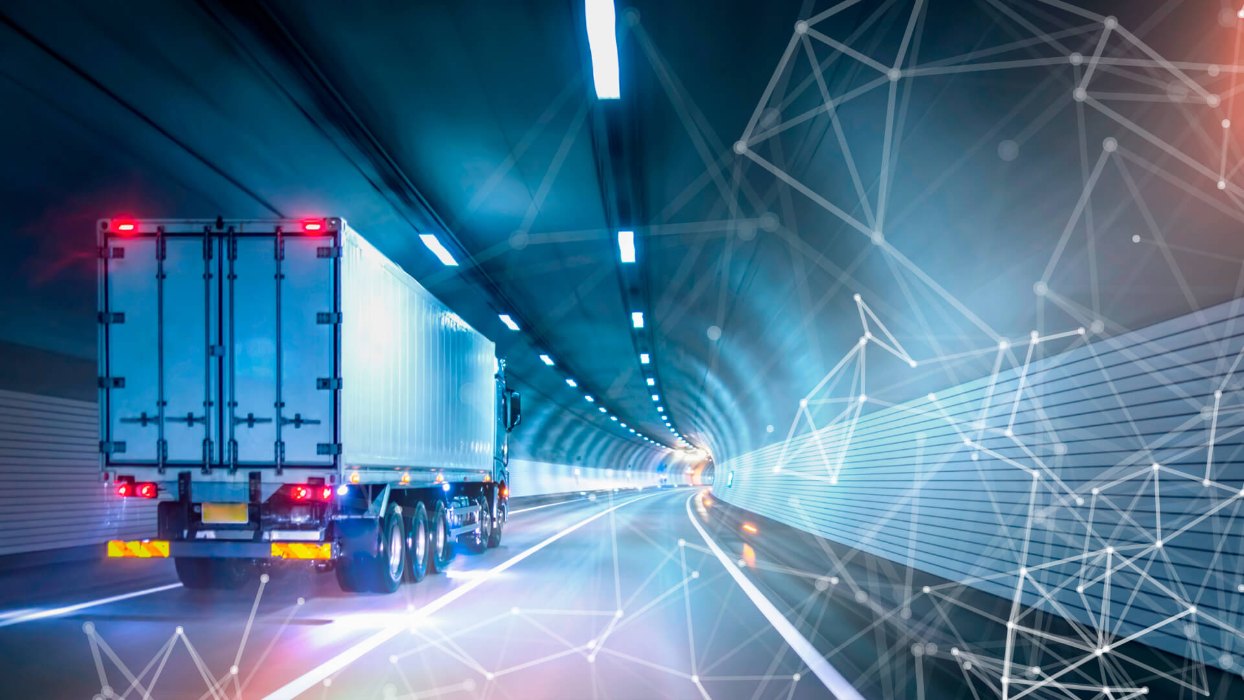
Blockchain in Supply Chain Management: Enhancing Transparency and Efficiency
5 min read | 03 Oct 2025

The Future of Decentralized Finance (DeFi): What’s Next for Blockchain Innovations?
5 min read | 02 Oct 2025

How Blockchain is Transforming the Financial Sector: Beyond Cryptocurrencies
5 min read | 01 Oct 2025